On this page
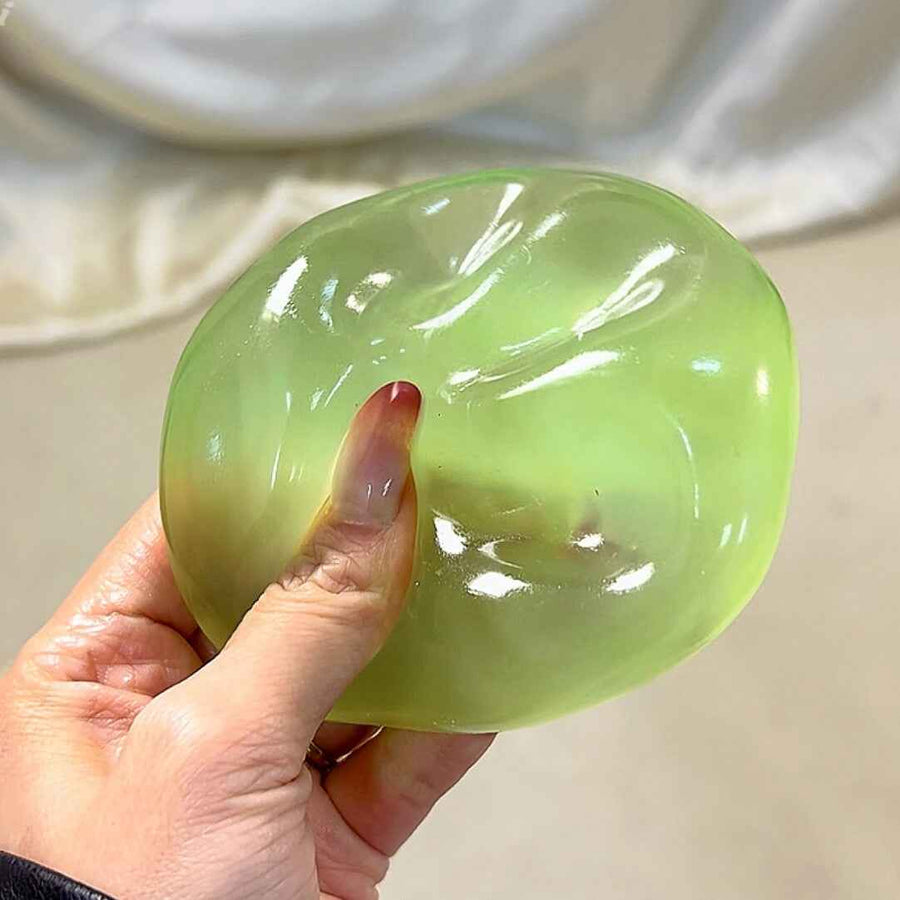
After “cutting open” a squishy, I suddenly couldn’t judge it by how cute it was anymore. 😳
Squishies have been everywhere lately.
Soft, bouncy, slowly springing back after a squeeze… Give one a couple of squeezes at work, and it feels like it’s soaking up all your emotions. 😂 But if you were to slice one open like a museum specimen, what would you actually find inside?
After digging into the research, I realized there’s a lot more to them than meets the eye.
🔍 01 | What are squishies actually made of?
First, let’s clear up a common misconception: there’s no single formula for making a squishy.
Common materials include silicone, PVC, TPU, TPR and EVA. Depending on whether the maker wants a soft, sticky, bouncy or slow-rising feel, the product may also contain pigments, fragrances, adhesives and other ingredients.
So the “honeycomb center” in the image is best understood as a visualization of a material’s structure—not what you’ll find inside every squishy you cut open.

🧪 02 | Here’s what really deserves your attention
Regulators and testing bodies are currently paying particular attention to:
⚠️ TVOCs (total volatile organic compounds)
⚠️ Formaldehyde
⚠️ Phthalate plasticizers
⚠️ Volatile substances such as toluene and xylene
This doesn’t mean “all squishies are toxic.” The point is that products from unknown sources or with poor material controls carry a much higher risk.
China’s updated Toy Safety standard even introduces a limit on TVOC emissions from toys for the first time: ≤0.5 mg/m³.
👃 03 | Should a sweet smell put you on alert?
A stronger fragrance doesn’t mean a higher-quality product.
Regulators have specifically warned against prolonged contact with products that have a pungent, unusually strong or lingering odor.
Exposure to heat and direct sunlight—or keeping a toy in an enclosed car or box—can also make it easier for volatile substances to build up.
🦆 04 | If your squishy looks like this, it’s time to retire it
If you notice clear signs of:
- Stickiness, yellowing or color coming off
- Slower and slower rebound
- Cracks in the outer surface
- Leaking liquid or escaping filling
- A noticeable, unusual odor
It’s time to stop squeezing it.
In particular, don’t let unknown liquids or gels from a split toy come into contact with your mouth, nose or broken skin.
✅ A more cautious way to enjoy them
Buy from reputable sellers and choose products with complete information, including the manufacturer’s name and address and the standard the product follows. Don’t put them in your mouth or chew on them. Wash your hands after playing. Store them somewhere cool and well ventilated. Stop using them as soon as they split or leak.
A squishy can absolutely be a fun little toy. But being a thoughtful collector means looking beyond “Which one feels the best to squeeze?” It also means knowing what you’re holding in your hands every day.
Explore different squishies
Chiboki Coconut Oil Squishy – Non-Rebound Stress Ball
View product ↗![[CHIBOKI]Sparkling Crystal Toothpaste Slime - Glitter ASMR Stress Relief Toy](http://lovesquishy.com/cdn/shop/files/Four-leaf_Clover_Toothpaste.webp?v=1779956261&width=560)